On Tuesday 26th May 2026, whilst holidaying in Wales with the family, I paid a long overdue first visit to the Talyllyn Railway on the west Wales coast at Tywyn.
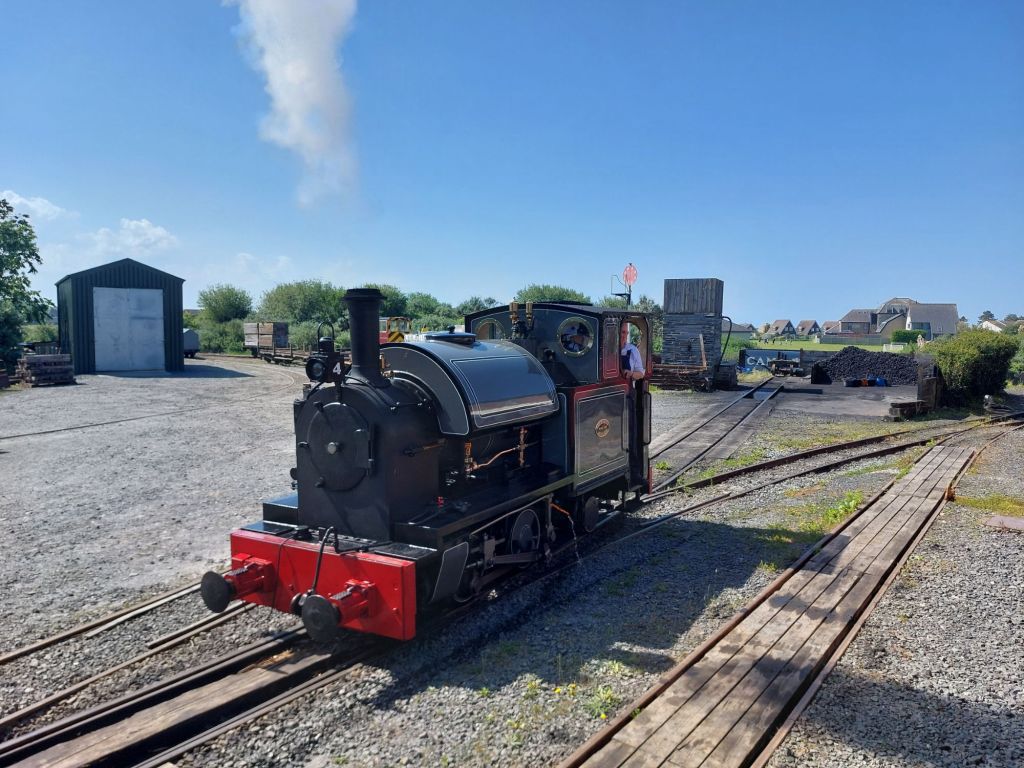
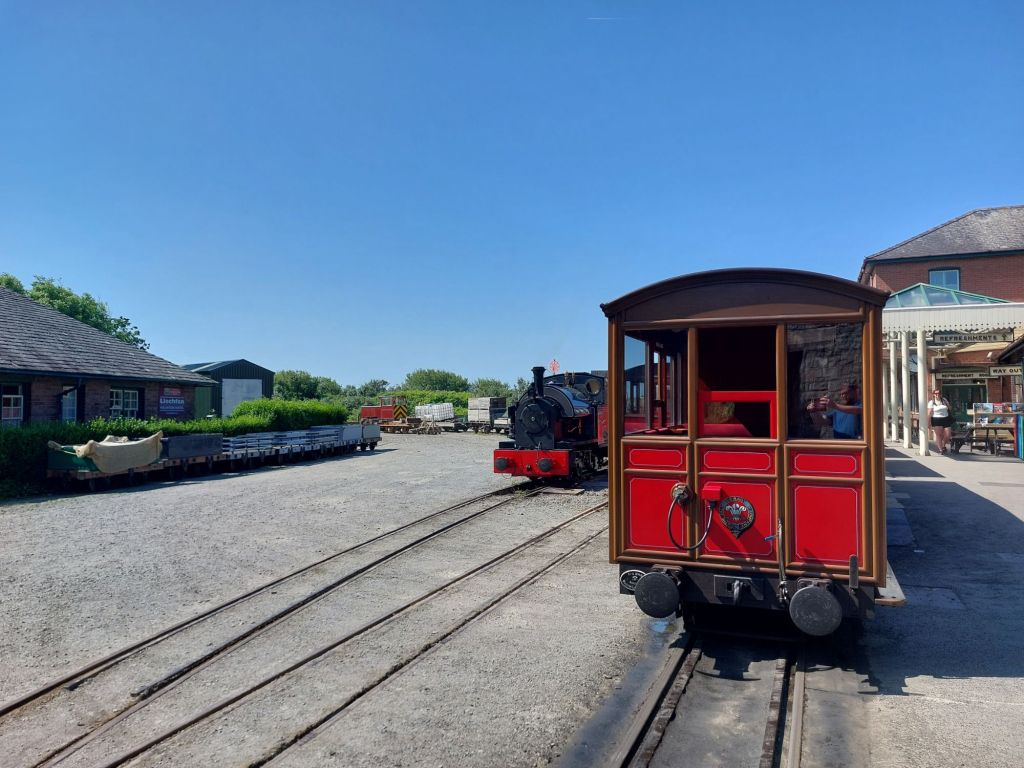
It is a fantastic heritage railway, with spectacular views and atmosphere; one I would highly recommend anyone to visit; enthusiast or not!
Of particular interest was a seemingly small item in the Narrow Gauge Railway Museum at Tywyn Wharf station, sitting under the Welsh waggon ‘Dorothea’, a section of Birkinshaw rail, designed and patented in 1820.
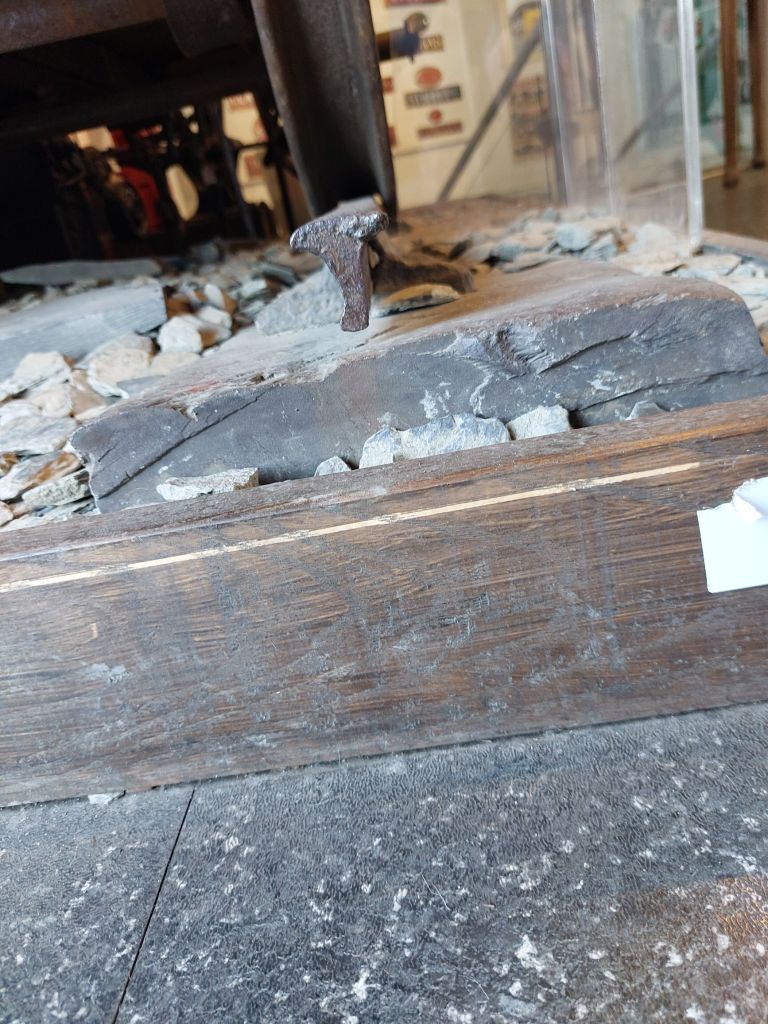
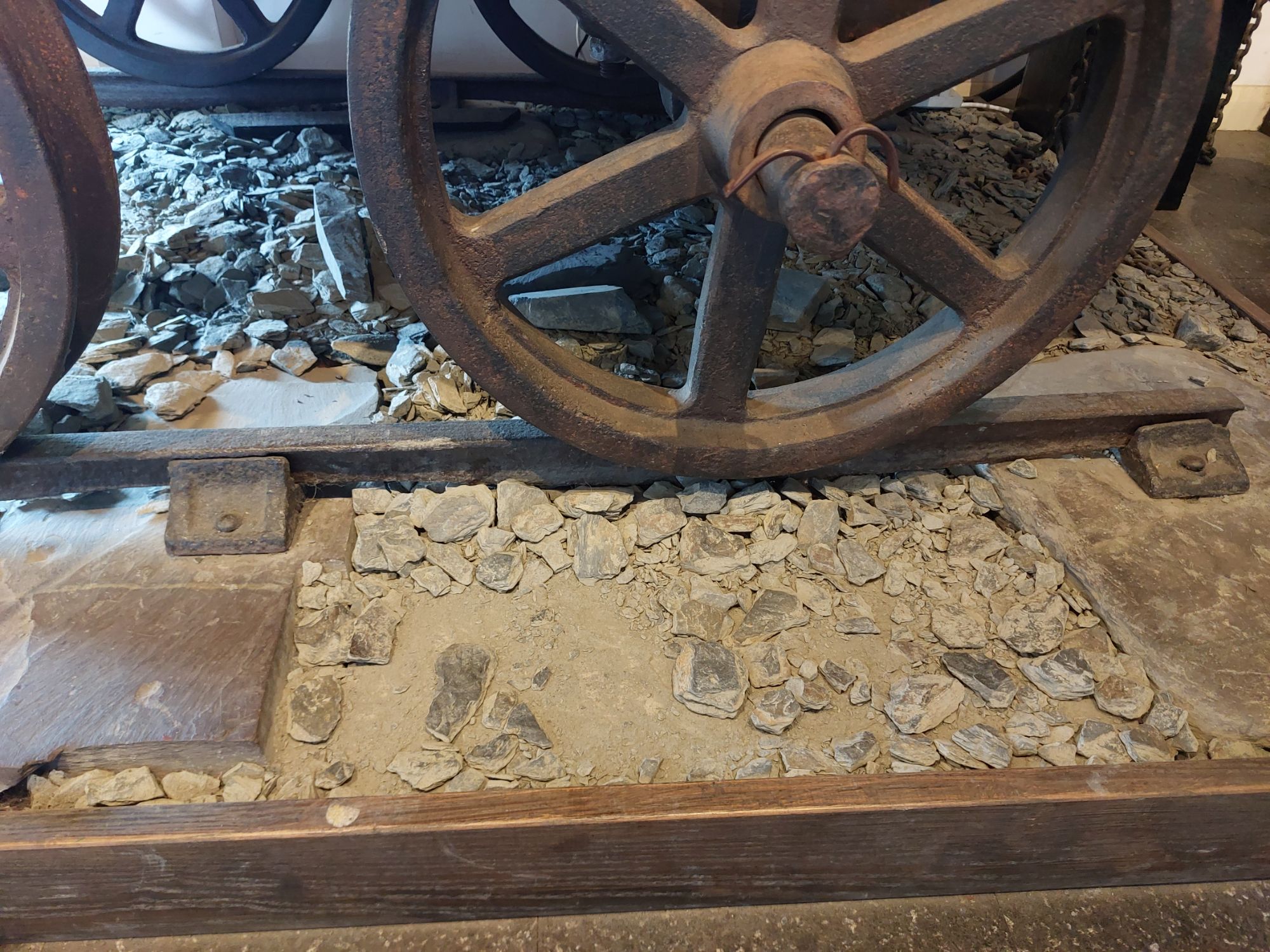
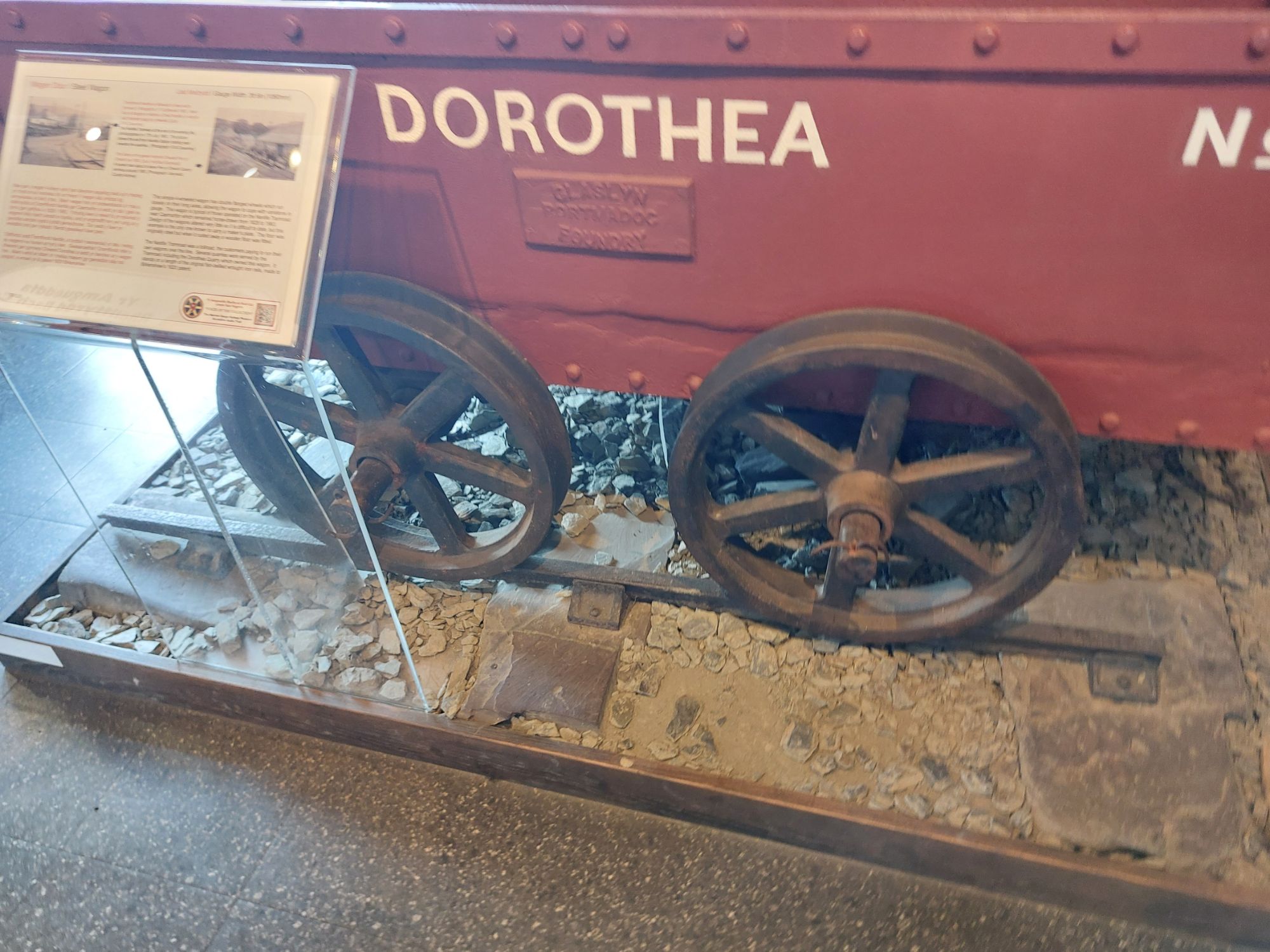
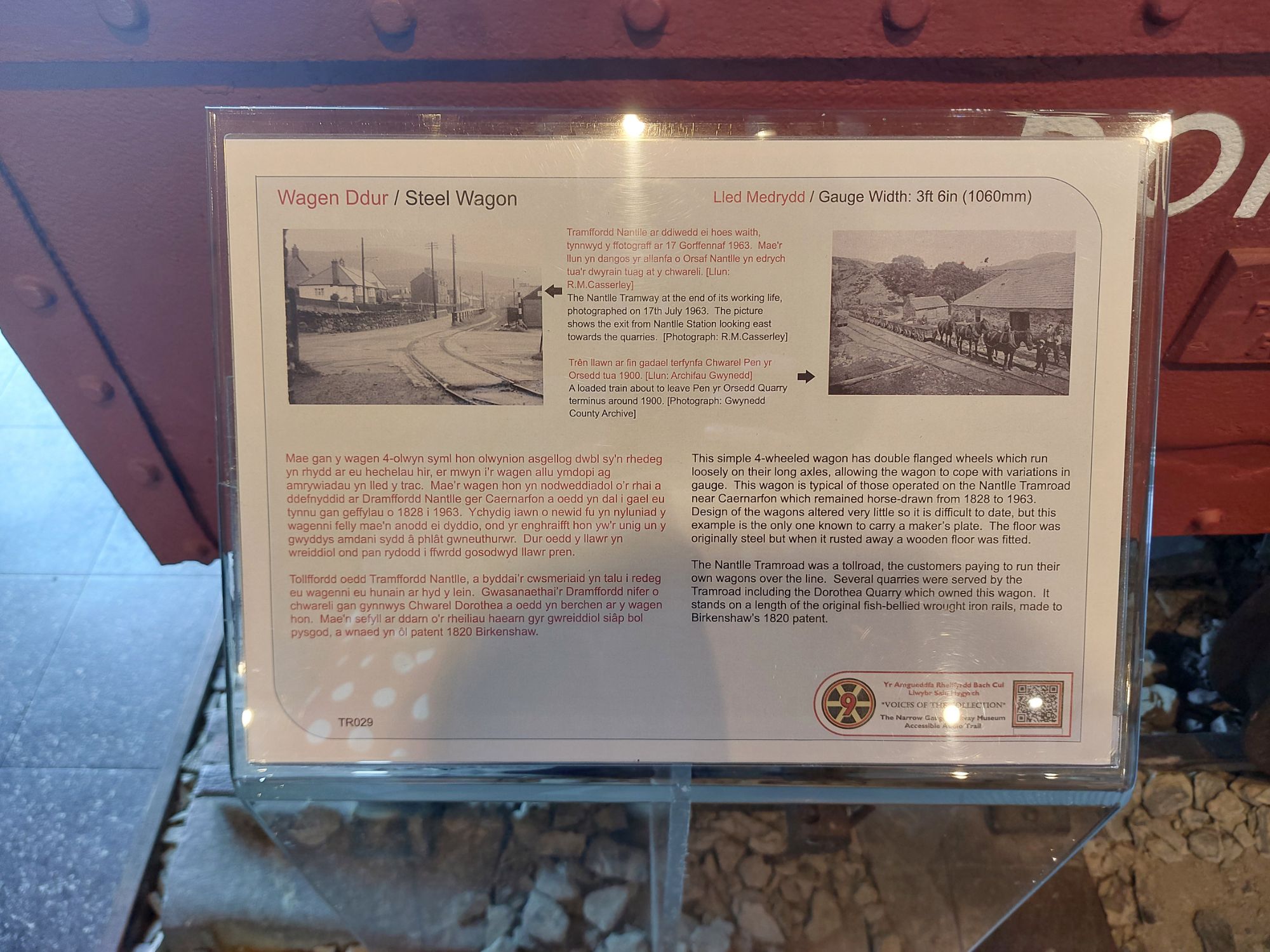
A short section of old rail under a waggon is, admittedly, a bit niche of interest, but this type of rail was very important in early railway development.
The Birkinshaw malleable iron rail, developed at Bedlington Ironworks in Northumberland was a huge leap forward in track technology from the wooden rails on waggonways and very brittle cast-iron ‘fish bellied’ rails that both broke under the strain of carrying early steam locomotives.
Whilst it is unknown if this rail was actually made in Bedlington (presumably would have been made under patent rules more locally in Wales), it is of the Birkinshaw design that he patented in 1820; and rails of this design were employed heavily by engineer George Stephenson on the Stockton and Darlington Railway in 1825, with up to ⅔ of the line laid with Bedlington made rails to the same design, despite George Stephenson himself having an interest in making cast iron rails.
So if you’re ever in west Wales, and taking a look in the Narrow Gauge Museum at Tywyn Wharf, why not look under Dorotheas wheels at this little bit of Northumberland’s history?

